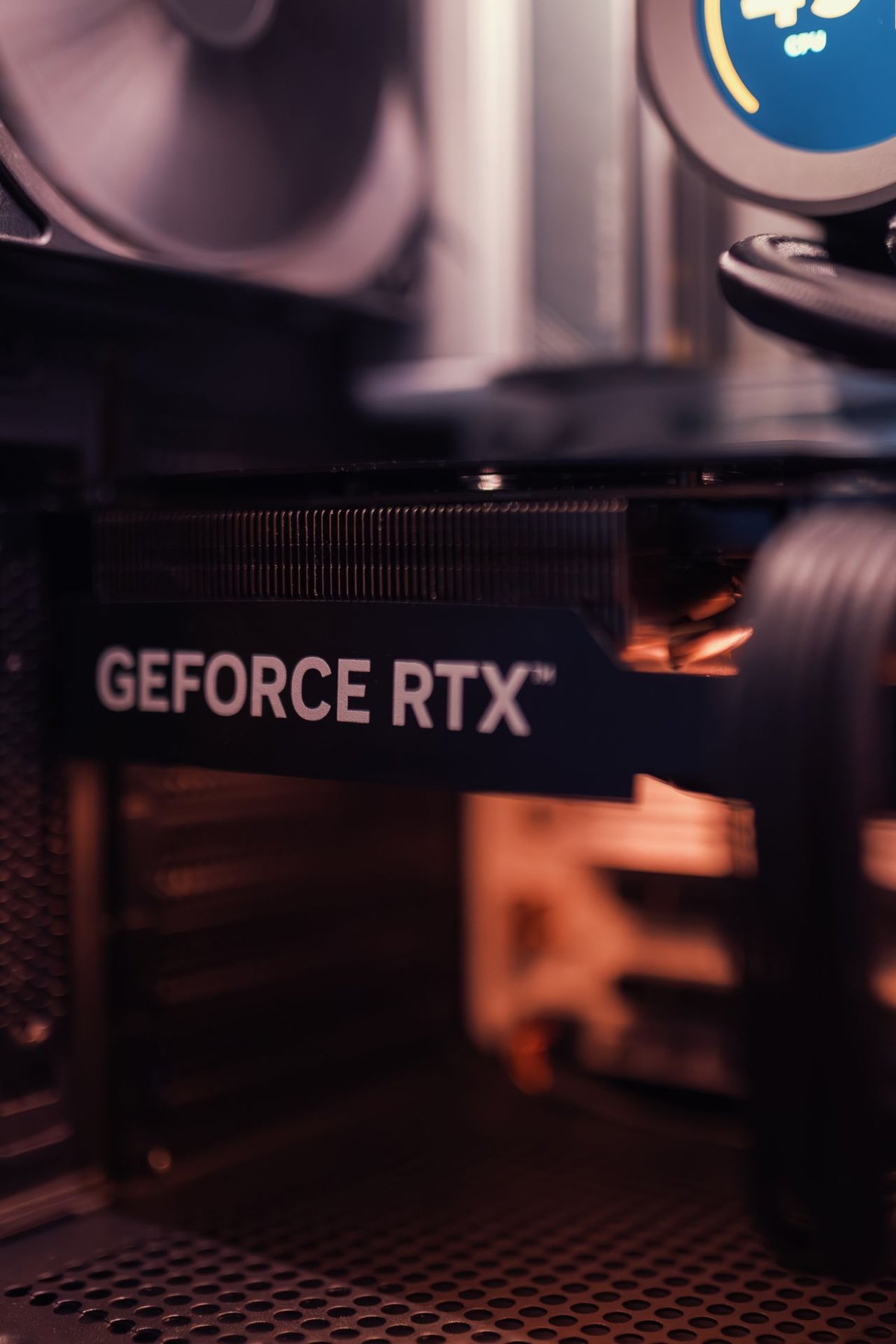
October 20–21, 2026 — Two supply-chain reports landed within a day of each other. The first says NVIDIA has scheduled the end of production for the RTX 5090 and RTX 5080 in January 2027. The second says the entry-level RTX 6060 may slip to 2029. Add the reported cancellation of the RTX 50 Super series in August, and the consumer GPU market is in an unusual place: no new generation, the old one ending, and prices rising.
None of this is an NVIDIA announcement. The reports come from VideoCardz and the hardware leaker Kepler_L2, so treat the dates as planning signals rather than confirmed launches. But they point in the same direction: the memory shortage is reshaping the GPU roadmap.
1. The timeline
| When | What | Confidence |
|---|---|---|
| Aug 2026 | RTX 50 Super reportedly canceled; capacity prioritized for AI | Multiple media reports |
| Late Oct 2026 | Last RTX 5080 batch arrives, sells through Thanksgiving (26 Nov) | Supply-chain report |
| Jan 2027 | RTX 5090 and 5080 end production | VideoCardz |
| Q1 2027 | RTX 5080 24GB takes over: GB203-450, 32Gbps, 415W | Supply-chain report, unannounced |
| 2028 or later | RTX 60 series volume ramp (originally late 2027) | The Verge / The Information |
| 2029 | RTX 6060 possibly launches with 12GB / 192-bit | Kepler_L2 |
2. The 24GB RTX 5080 is not just a memory bump
According to the leaked specifications, the 24GB RTX 5080 moves to 24Gb (3GB) GDDR7 modules. With a 256-bit bus, that implies eight modules for 24GB. Memory speed rises from 30Gbps to 32Gbps, bandwidth from 960GB/s to 1,024GB/s, and TDP from 360W to 415W. The core is still GB203, but the board is GB203-450 with higher clocks.
| Spec | RTX 5080 16GB (current) | RTX 5080 24GB (reported) |
|---|---|---|
| Memory | 16GB GDDR7 | 24GB GDDR7 (3GB modules) |
| Bus / bandwidth | 256-bit / 960GB/s | 256-bit / 1,024GB/s |
| Memory speed | 30Gbps | 32Gbps |
| TDP | 360W | 415W |
| Launch price | US$999 | Expected well above US$999 |
The point of this card is not gaming. It is local AI. 24GB is the practical floor for 32B-class quantized models and LoRA fine-tuning; 16GB is already tight. By pushing 24GB down to the 5080 tier, NVIDIA is drawing a line between gaming cards and productivity cards based on memory capacity.
3. Why the cadence broke: memory is being eaten by AI
The root cause is not weak GPU demand. It is a shortage of memory. Three data points explain it:
- AI servers use 8–10 times the memory of general-purpose servers. Around 70% of advanced memory capacity has shifted to HBM and AI products, squeezing consumer DRAM.
- Graphics memory is squeezed too. GDDR7 competes with DDR5 and HBM for wafer capacity. When AI gets priority, consumer graphics cards move down the queue.
- PC prices already moved. Gartner expected PC average selling prices to rise 17% by the end of 2026. HP's quarterly report showed memory falling from 15–18% to about 35% of laptop cost, forcing 16GB-to-8GB downgrade SKUs.
Morgan Stanley calls this "Chipflation": not a normal memory cycle but an AI-driven structural reset. Goldman Sachs estimated a 4.9% DRAM supply gap and a 4.2% NAND gap in 2026. Those numbers explain why the RTX 50 Super was reportedly canceled: not a failed product concept, but not enough memory to feed it.
4. Three takeaways for buyers
High-end cards become appreciating assets
With the 5090 ending, the 5080 shrinking and the 24GB version priced higher, high-end NVIDIA cards are unlikely to get cheaper between now and early 2027. If you need 24GB for local AI, buying a 5090 now or waiting for the 5080 24GB both involve a premium.
The mid-range is a vacuum
With the RTX 50 Super canceled, the 5060 Ti / 5070 tier has no direct successor in 2027. AMD's RDNA 5 is also reported to be waiting until after Computex 2027. For 1440p gamers, 2027 may be a year of buying older cards or paying more for the high end.
Entry-level waits until 2029, and the used market heats up
If the RTX 6060 really arrives in 2029 with 12GB, a 192-bit bus, 4,608 CUDA cores and a 145W board, it will be a late successor. Until then, 1080p buyers will look at used 4060/5060 cards or AMD equivalents, which raises both prices and the risk of buying a card with a hard life. For refurbishers this is an opportunity; for buyers, testing VRAM, running a stress test and checking for mining history matters more than ever.
5. Buy or wait?
| Your situation | Recommendation |
|---|---|
| Studio or company that earns money from the GPU and needs 24GB | Lock in a 5090 now or take the first 5080 24GB batch. Do not bet on a price drop; negotiate a fixed price for volume. |
| 1440p gamer with a working card | Wait until Q2 2027 to see the 5080 24GB price and AMD's response. |
| 1080p gamer whose card is struggling | Buy a 5060 Ti 16GB or RX 9070 now. Waiting for 2029 is not realistic. |
| Enterprise inference where data cannot leave the building | Buy by memory requirement, not by generation. Start at 24GB; 48GB is better if the budget allows. |
One more thing people forget: the power supply has to keep up. A 415W board with higher transient spikes needs an ATX 3.1 unit with a native 12V-2x6 connector, ideally 1,000W or more from a reputable brand. An old PSU paired with a new card can cause reboots at best and a melted connector at worst.
6. What ACCPC recommends
ACCPC sells and builds PCs and servers in Guangzhou. In this price cycle we tell customers three things:
- Lock the price if the need is real. Pay a deposit to hold the card you know you will use. "Let us check again next week" is not a strategy in a rising market.
- Buy the whole system. When individual cards are expensive, complete-system channel pricing often has more room, especially for five units or more.
- Do not hoard cards you do not need. GPUs are not a hard currency. They lose value quickly when the generation turns. Stock only against confirmed orders.
Sources
- EE Times China: RTX 5090/5080 to end production in January 2027 (21 Oct 2026)
- 17173 / IT Home: RTX 6060 may slip to 2029 (20 Oct 2026)
- Securities Times: Memory prices in Huaqiangbei up more than 300% in a year (8 Oct 2026)